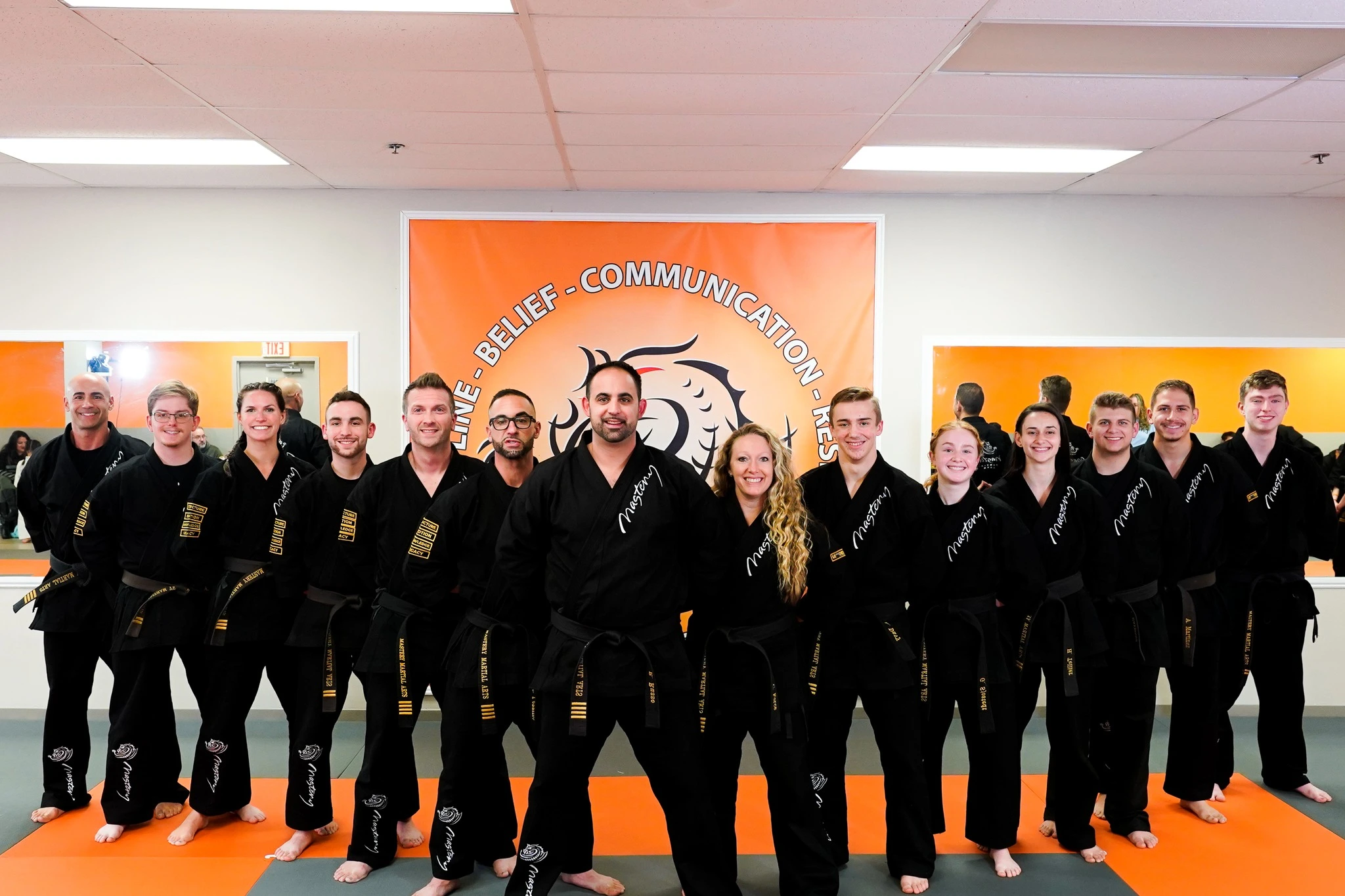
The first time I watched a painfully shy 8-12 months-outdated bow onto the mat, he could slightly meet his teacher’s eyes. His mother whispered that he hated team activities, dreaded staff tasks, and often hid in the back of her whilst meeting new human kids karate classes beings. Twelve weeks later, he led the nice and cozy-up, called out commands with a clean voice, and bowed his spouse in with a well mannered “Osu.” The strategy wasn’t just right, but the alternate in posture advised the actual tale: chin lifted, shoulders open, steps decisive. That transformation didn’t come from magic. It came from the architecture and values embedded in little ones karate sessions.
Karate works as it connects the physique and the thoughts in a constant, repeatable approach. Children get started with small, conceivable steps, then stack them into higher challenges. Over time, those steps build self belief, self-discipline, and recognize that carry neatly beyond the dojo doors. I’ve coached youth throughout the several temperaments, from fiery extroverts to quiet observers, and the equal sample displays up: while the subculture is excellent and the workout incredible for his or her age, teens develop.

What self assurance essentially seems like at the mat
Confidence will get thrown around as a buzzword, yet in karate it indicates up in precise behaviors. A optimistic baby stands with feet under hips, hands well prepared, and eyes ahead. They reply to cues without guessing whether or not they’ll be mistaken. They take delivery of corrections with no crumbling. Confidence in teens karate courses just isn't loudness or swagger, it really is a steady perception that attempt produces growth.
I use a straight forward examine while parents ask how their child is doing. Can the baby lead a bow-in devoid of prodding? Will they companion with a new kid and make them believe glad? Can they name out the count for ten front kicks, even if they locate the eighth? When the answer to these questions shifts from “not yet” to “on a regular basis,” that’s genuine trust taking root.
Progress in karate is intentionally noticeable. Stripes on a belt, a crisp new kata series, a louder kiai, a smoother roundhouse kick. For a timid baby, the remarks loop is valuable: I practiced, I superior, I can do the next factor. Plenty of events supply comments, however karate wraps it internal ritual, admire, and clean specifications. The infant isn’t just “perfect at karate,” they are reliable at showing up, running via frustration, and ending what they start.
Respect will never be compelled, it really is practiced
Many dad and mom sign up in karate training for childrens seeing that they wish higher conduct at domestic. They pay attention that karate teaches admire. It can, but only if the college practices it consistently. Respect in a stable dojo is a two-method boulevard. Students bow to teachers, convinced, however teachers also treat children with dignity. Correction is special, on no account shaming. Commands are transparent, no longer barked for the sake of dominance. The environment tells little ones, you subject and so does the person next to you.
The bow is misunderstood outdoor martial arts. It isn’t submission. It’s a handshake expressed through posture. We bow whilst we step at the mat to expose we significance the space. We bow to our associate to point out we fee their safe practices. We bow to our teacher to show we worth their steerage. That repeated, embodied act ordinarilly spills into lifestyles at domestic and institution. A infant who bows beforehand partnering learns to pause previously performing, to look others in the eye, to well known shared accountability. This is the seed of appreciate.
I’ve considered the big difference in battle moments. Two young ones bump, a kick lands too not easy. In some settings, that spirals into blame. On a reputable day in a favorable dojo, the kicker bows and says sorry, the partner nods, and they reset stance. Not on account that an grownup demanded it in a harsh tone, but when you consider that that is the language they've got practiced.
How teens examine easiest in karate
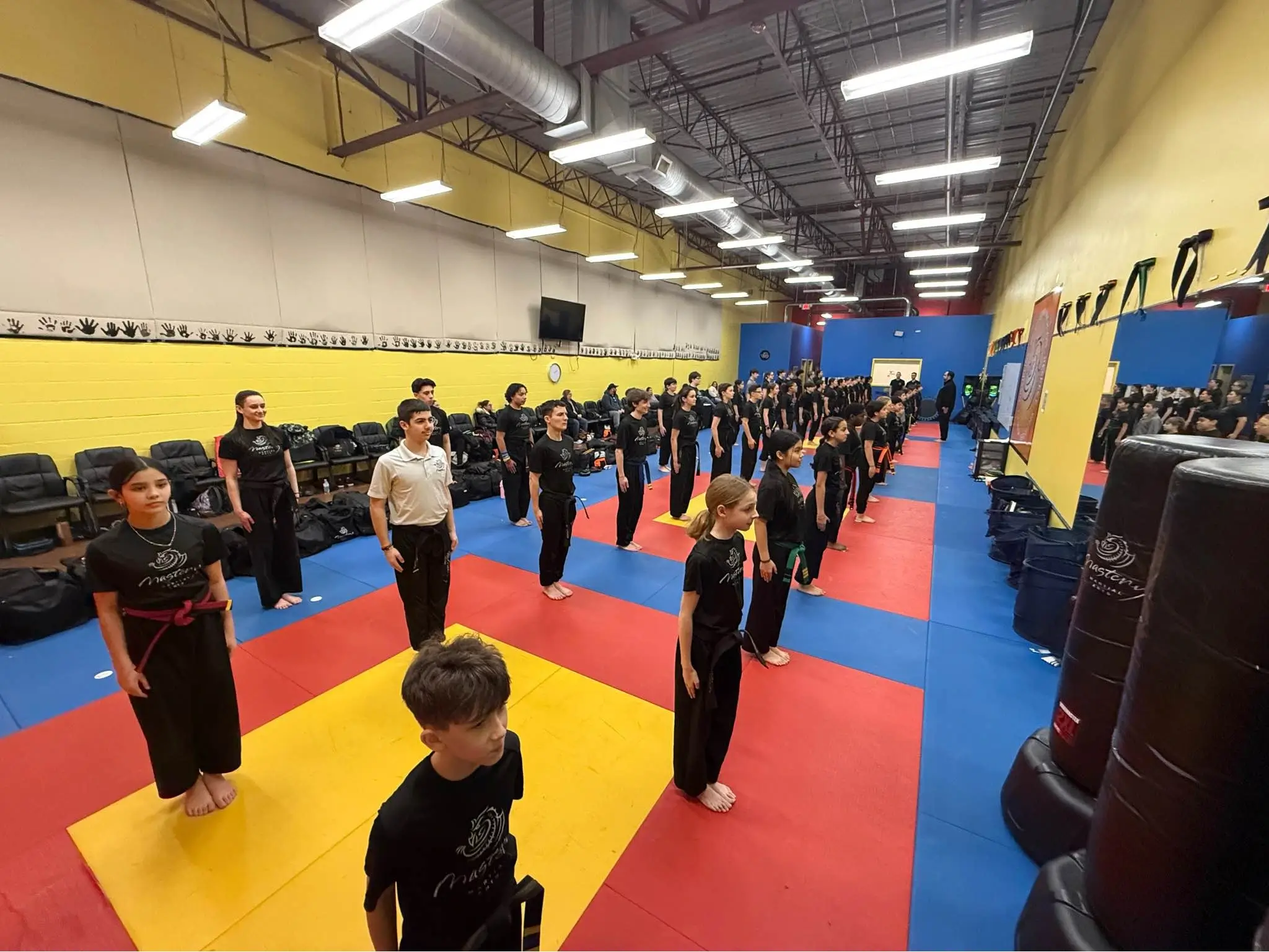
The most interesting teens karate programs look undeniable at the floor, almost like play. Underneath, they're conscientiously established sequences that meet the kid’s brain on the right degree. Short, centered drills, then a reset. Clear cues, minimum jargon, many opportunities to be successful. The structure has a tendency to keep on with a rhythm:
- short etiquette and hot-as much as optimal focus technical block wherein one capability gets micro-coached spouse work to test timing and control a sport or task that bakes inside the day’s capacity with no the infant noticing they’re being tested
That rhythm things more than the certain kind. Whether the dojo leans Shotokan, Goju-ryu, Wado-ryu, or a mixed youth application, youngsters will thrive if the lesson design honors their consideration span and motor improvement. A 5-12 months-vintage wishes pursuits, colorings, and thoughts. A ten-yr-antique can care for precision and behind schedule gratification. A 13-year-antique wants to look the why and have a few say in their very own guidance objectives.
When folks tour a dojo, I suggest they watch one complete elegance. If the trainer speaks in lengthy monologues, little ones will flow. If corrections come with sarcasm, kids will scale back. If games haven't any hyperlink to strategy, childrens will chortle but now not grow. The sweet spot is a educate who can say, “Hands up, eyes on, teach me 3 steps of forward stance,” then provide criticism that a toddler can act on in five seconds or much less.
The function of belts, stripes, and small wins
Rank techniques are tools, no longer the point. Many academies use stripes on belts to mark growth between formal assessments. I’m a fan of stripes in the early years considering that they devise bite-sized targets. A shy infant who earns a white tape stripe for a steady the front stance sees proof that effort makes a distinction. Four stripes later, they’re organized for a belt take a look at that gathers distinctive talent.
When stripes get handed out randomly, they became noise. When they’re hooked up to spoke of behavior and explicit competencies, they pressure consciousness. For instance, a purple stripe may mark punctual bow-ins, a blue stripe would mark secure manage with a companion, and a black stripe is likely to be for the first complete variant of a kata. The kid learns that either frame of mind and approach be counted. That alignment is wherein confidence shifts from fragile to stable.
Belt checks must always suppose frustrating, on no account punishing. A well-run experiment presentations the infant they're able to do complicated issues underneath pressure, with kin looking, devoid of wasting self-discipline. Time it closely. If you experiment too early, you plant doubt. If you hold up without clarification, you plant resentment. I like to present a selection: “Most kids want 10 to 14 weeks among those belts. Let’s fee your blocking fundamentals at week eight and spot.”
Safety and managed contact
Parents sometimes ask approximately protection beforehand anything else else. They deserve to. Good karate schools placed safeguard into each minute: eye contact earlier than a accomplice drill, tap alerts for holds, transparent end words, and structured contact that builds through the years. In younger programs, touch is easy and supervised at shut wide variety. The intention is not very to hit challenging, but to learn the way no longer to hit by using twist of fate.
Pads and shields let force with out threat. Target mitts support with distance. For young ones, we add constraints to avoid manage excessive. One of my standbys for 7 to 9-12 months-olds is the “three-2d kick” wherein they raise the knee, delay slowly in the direction of a pad, hang, then retract formerly striking the foot down. It teaches chambering, balance, and respect for the goal. A child who is aware how to tug a kick also is aware of methods to stay away from hurting a sibling inside the dwelling room.
I also search for the tone of the room at some stage in sparring days. If the instructor makes use of sparring as a highlight for the such a lot aggressive youngsters, you’ll see timid scholars freeze. If the instructor frames sparring as complication-solving with tools, step-by-step, trust spreads. Rules like “physique purely, jabs in basic terms, footwork most effective” boost potential without pouring gasoline on aggressive egos.
What shyness demands from a dojo
Shy young people are usually not broken extroverts. They by and large need predictability and time to warm up, plus experiences that reward cautious realization. Karate can have compatibility like a glove if the teacher meets them halfway.
I commence by way of giving jobs. A quiet six-12 months-historic perhaps in can charge of bowing the workforce onto the mat. A reserved 9-12 months-old could grasp the quantity playing cards for the period of a spherical of drills. Jobs create role-situated braveness. They additionally provide youth a rationale to glance up and discuss up. If the kid averts their gaze, I gained’t pressure eye contact. I ask them to find a element at the instructor’s chest, then we construct towards the eyes over weeks. Small, a possibility steps win.
Partner decision can make or destroy a shy child’s ride. Pairing them with a steady, patient child supports. Later, rotate partners to improve relief zones with no tossing them into the deep give up. I also motivate father and mother to face up to standing inside the doorway for the whole class. Trust grows whilst the kid senses the mat is their territory, no longer an extension of the guardian’s anxiety.
One of my favored moments came with a female who wouldn’t converse above a whisper. For the 1st month, her kiai used to be silent. We celebrated other wins. By week 5, her hand shot up to reply a question about stances. By week eight, you'll listen her kiai from the again wall. The key changed into by no means making the kiai a performance for our leisure. It was a tool for strength and breath, and we treated it that means.
Behavior alternate at abode and school
When mother and father inform me that karate replaced homework time, I accept as true with them. The behavior practiced within the dojo map well to residence life: tutor up on time, listen as soon as, try out your fabulous, repair it with coaching, finish solid. The so much not unusual shifts I hear about are stronger consciousness all through learn, fewer meltdowns when annoyed, and a lift in willingness to try out new issues. Teachers occasionally discover enhanced posture in presentations. It isn’t simply the muscle groups. It’s the reflex to set feet, breathe, and speak with rationale.
Respect additionally includes over. Kids who bow to partners sooner than drills learn cues for limitations and consent. They ask sooner than borrowing, they signal once they need house, and they make an apology cleanly after they reduce to rubble. This doesn’t imply karate youth not ever dialogue lower back or forget chores. It manner they have a vocabulary for course-correcting and a memory of doing it in the dojo. That makes a huge change in a household.
When karate isn’t the top fit
Most childrens can get advantages from karate, yet it isn’t established. If a boy or girl detests established environments and thrives simply in unbounded play, a rigid karate software would possibly grind them down. If a university runs on worry or humiliation, don’t be expecting it to produce healthful admire. If a child has a selected sensory profile, comparable to solid aversion to uniform textures or to unexpected shouts, you’ll desire an trainer who can adapt. I’ve taught scholars who wore softer undershirts underneath their gi or used foam earplugs at some stage in kiai-heavy segments. Good dojos will work with you.
Also, watch the calendar. If a kid is juggling a couple of excessive pursuits, karate would possibly change into simply yet another demand. Confidence grows whilst the baby can deliver regular concentration, not after they’re sprinting from one lesson to a better each and every kids taekwondo classes evening. Two quick periods a week beats one lengthy one for maximum children under ten.
What to look for when settling on a dojo
Parents primarily ask for a quick clear out to uncover the top area. In the spirit of being clear and concise, here's a brief checklist that covers the essentials.
- Clean, orderly house with clean security law visible Instructors who be aware of childrens’s names and use them kindly Age-extraordinary type corporations with short, focused drills Consistent etiquette that everybody follows, which include instructors A transparent direction for progress: stripes, belts, talent, and time frames
Bring your newborn to look at, and if manageable, to try out an ordeal classification. Stand again and comply with. Do adolescents smile even as working hard, or are they either goofing off or browsing scared? Do teachers clarify why a drill issues? Do they brand respect in the approach they talk to each one different? Trust your gut, but additionally your eyes.
How periods are developed for other ages
The phrase karate classes for young children covers a extensive span. A good-run application adapts for every one degree.
For four to 6-year-olds, programs believe like games with purpose. You’ll see coloured dots on the ground for foot placement, animal metaphors for motion, and primary resets. A marvelous benchmark is even if you would provide an explanation for the potential at the back of the game. If little toddlers are “chasing ninja tails,” the instruct ought to be coaching lateral flow and expertise, not just burning electricity.
For 7 to nine-12 months-olds, styles start to depend. Kids can string at the same time blocks and moves into brief mixtures. They can keep cognizance for longer arcs and accept definite corrections. Peer dynamics also kick in, so an trainer’s capacity in managing organization potential will become fundamental. Reward effort in public, cope with bad habits quietly and straight away.
For 10 to 13-12 months-olds, ownership comes into play. These young people can set aims for a belt and plan weekly apply. They can manage more contact with properly gear and legislation. They additionally want to consider respected as emerging teens, this means that an teacher who explains the why behind drills and invites questions devoid of wasting layout.
Where confidence and respect intersect with self-defense
Parents sometimes enroll their children after a bullying incident. The first instinct is to arm the newborn with ways. Karate can help, but the so much amazing initial expertise are information, posture, voice, and boundary-atmosphere. In perform, that seems like walking with purpose, scanning hallways, sustaining space with hands up in a nonthreatening “prevent” location, and handing over a loud, clean command. Karate supplies teenagers countless reps in assertive motion and sound. A sturdy kiai rehearses by way of your voice less than stress.
Physical self-security for kids facilities on escaping, no longer fighting. Break grips, create distance, to find assistance. Schools that emphasize management over wreck instruct little ones easy methods to leave intact. They additionally aid fogeys function-play scenarios that experience practical: a way to respond to peer stress, learn how to de-escalate a controversy, a way to report a drawback. The admire piece things so much right here. A newborn who respects themselves units more impregnable limitations. A baby who respects others avoids escalation when it’s avoidable.
How long it takes to determine change
Parents often favor a timeline. It varies with the aid of newborn and frequency, however a few patterns are known. With two courses every week, you possibly can assume:
- great upgrades in posture and focus round weeks 3 to 6 relief with classification etiquette and partnered drills by using weeks 6 to 10 a first belt take a look at window among 10 and sixteen weeks, depending at the school meaningful self assurance shifts in social circumstances over the 1st 3 to 6 months
Some kids dash, then stall. Others climb at a stable tempo. The objective isn't very to outrun classmates but to anchor behavior. When that you could leave out per week for a chilly and return without losing coronary heart, you’ve crossed an critical threshold.
How dad and mom can support without hovering
The optimum gains manifest while mum and dad and instructors row within the related direction. Support looks uncomplicated: get your little one to magnificence on time, reward attempt greater than consequences, and show curiosity approximately what they learned. Ask them to train you a stance or a bow. Let them fantastic you and take pleasure in the position reversal. That affords them a reliable hazard to own their competencies.
Avoid coaching from the sideline. If your voice is louder than the instructor’s, your newborn received’t understand whom to keep on with. Save your suggestions for the ride house, and even then, lead with questions. What became exciting? What was once hard? What do you choose to strive returned subsequent time? If a predicament arises, discuss to the instructor clear of your newborn. Kids song tone extra than phrases. They’ll borrow your calm or your anxiety.
Home train might be brief and playful. Five minutes of stances throughout toothbrushing time. Ten the front kicks in line with leg whereas a kettle boils. One kata run-through earlier than bed. Consistency trumps length.
When competitors enters the picture
Tournaments can be a sure stressor for a few teens, a bad fit for others. I’ve visible shy kids blossom after a kata functionality on a small regional degree. I’ve also considered assured youngsters wilt when festival becomes an identification. If your dojo competes, strive one adventure on the subject of dwelling with a pleasant vibe. Treat it as a finding out day, now not a referendum for your newborn’s price.
Focus on job ambitions: loud kiai on each strike, secure stances, a clean bow. If sparring divisions are in touch, verify your newborn has at the very least a number of months of controlled accomplice work and is aware of the principles chilly. A precise tutor will signal when the time is top. If you feel power to compete until now your boy or girl is set, you are able to say no and nonetheless belong.
The way of life makes the difference
I’ve knowledgeable in rooms where the loudest little ones governed. I’ve knowledgeable in rooms in which the tradition nudged every boy or girl, loud or quiet, in the direction of obligation. The second kind produces the long-time period blessings laborers affiliate with teens karate programs. Culture indicates in little things: do older students assistance tie young young ones’ belts, do teachers teach up early to answer questions, does the university rejoice staying power as plenty as pace?
If you find an area where appreciate is lived, now not simply laminated on the wall, and the place growth comes in constant steps, your boy or girl can grow from shy to effective with out dropping who they're. The trust they build won’t be brittle. It could be the type that is helping them stroll into a new lecture room, seem to be a trainer in the eye, and say, “Good morning.” It will probably be the kind that helps them apologize when they’re flawed and stand up while some thing isn’t properly. That, greater than any trophy or flashy kick, is why families live.
A final observe on identifying with intention
Karate isn’t a miracle therapy for shyness or a shortcut to terrific manners. It is a craft that shapes persona with the aid of repetition, comments, and network. When you decide on karate lessons for young ones, you’re deciding on a fixed of day to day conduct. The conduct of bowing in, listening absolutely, relocating with manipulate, possessing blunders, and seeking once more. Over months and years, the ones habits knit mutually into confidence and recognize that don’t depend upon a belt color.
Visit, watch, ask questions, and concentrate on how the dojo makes your little one believe. If they walk out a bit of taller after the trial type, if they mimic the bow in the kitchen, in the event that they ask when they're able to pass again, you’re at the suitable music. Give it time. Celebrate small wins. And savour the instant, several months in, when your once-hesitant infant steps ahead, bows with a grin, and takes their situation at the mat as if they’ve been there all alongside.